Emergency HVAC Repair Secrets: What to Check Before Calling a Tech in Sebastian, FL
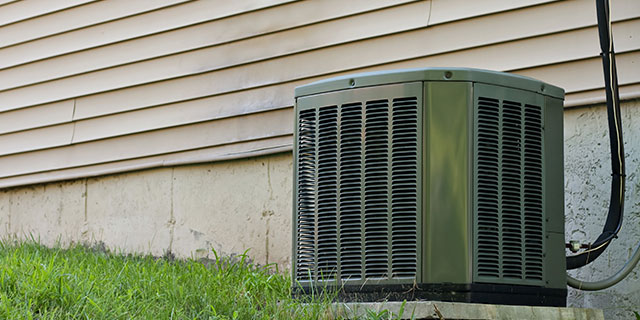
When your system quits during a sticky Sebastian weekend and you need AC repairs, it is easy to panic. Take a breath. This guide gives you practical, safe checks to try first so you can describe the problem clearly and decide if you need urgent help. If you confirm that professional attention is needed, you can learn more about repair and maintenance on our HVAC services page.
Afternoon thunderstorms rolling off the St. Sebastian River can cause quick power dips, tripped breakers, and soaked air that stresses your system. The steps below are built for homes in Sebastian and nearby spots like Sebastian Highlands, where salt air and sudden downpours are part of daily life. You will find common causes, clear observations to make, and what to tell a technician for a faster fix.
Why Your AC Stops During Sebastian’s Stormy Afternoons
Thunderstorms often bring quick voltage spikes or brief outages. That can trip the outdoor disconnect or the breaker labeled for your condenser or air handler. High humidity loads your system with extra moisture, and if the condensate cannot drain, a float switch near the air handler can stop cooling to protect your home.
Coastal air carries salt that can speed up corrosion on outdoor components. Filters clog faster during long pollen stretches or if doors are opening often for weekend get-togethers. None of these are your fault, but they do create conditions that make cooling less reliable, especially late in the day when heat and humidity peak.
Quick Safety And Power Checks
Safety first: never remove panels or touch wiring, and do not attempt repairs. Your goal is to make simple observations and confirm basic settings so you can share accurate details when you call Comfort Zone.
- Thermostat: Make sure it is set to Cool, the temperature is set lower than the room, and any Hold or Schedule is not overriding your setting.
- Indoor fan: Listen for the blower. If the fan runs but the air is warm, note that. If nothing runs, that points to a power issue.
- Breaker panel: Find the breakers labeled “AC,” “condenser,” or “air handler.” If one is tripped, move it firmly to Off, then back to On. If it trips again, stop and note which breaker it was.
- Outdoor disconnect: Look for the small box near the outdoor unit. The handle or cartridge should be in the On position. If it was Off, return it to On and step away.
- Wait 5 minutes after any power cycle so the system’s safeguards reset before you judge what happens next.
These checks are noninvasive and help you rule out a simple power hiccup from a passing storm over Sebastian.
Airflow And Drainage Checks Most Homeowners Miss
Restricted airflow or a backed‑up drain can shut cooling down without warning. When humidity is high, your system pulls gallons of water from the air. If that water cannot leave through the condensate line, a float switch near the air handler tells the system to stop cooling.
- Air filter: If you can easily access the return grille or cabinet, look at the filter. If it appears dark and matted, note the size and the last time you changed it.
- Vents: Walk each room and make sure supply registers and returns are open and not blocked by rugs or furniture.
- Drain pan: If your air handler is in a closet, attic, or garage, look for a shallow pan under it. Standing water here is a clue that the drain is clogged and the float switch may have stopped cooling to protect your home.
- Float switch: Many Sebastian homes have a small safety switch on the drain line near the air handler. If it looks tilted or raised, that suggests water triggered it.
Do not bypass a float switch or try to force water out of the line. The switch protects your home. Observing and reporting what you see is enough to help your technician prepare.
Clear Signs The AC May Have Blown A Fuse
Power problems sometimes point to a failed fuse in the outdoor unit. You should not open the cabinet, but certain surface clues help your technician make a quick plan. Homeowners often search for “AC blew a fuse clear signs,” and while only a technician can confirm, here are observations that help:
If the indoor blower runs but the outdoor fan and compressor are silent, that suggests the outdoor unit is not getting power. If you notice a faint burnt smell near the condenser or the disconnect box is warm to the touch, step back and note it. If the breaker trips immediately after you reset it, do not try again. Tell your technician exactly what you did and what happened.
Again, do not remove covers. Your job is to notice patterns and timing so the pro can bring the right parts and tools.
Sebastian Emergency AC Service Troubleshooting Steps Before You Call
Below are Sebastian emergency AC service troubleshooting steps any homeowner can run through safely to speed up the visit and prevent extra damage:
1) Confirm the thermostat is calling for cooling. 2) Check the breaker and the outdoor disconnect once. 3) Look and listen to see if the indoor blower is running. 4) Walk the home to confirm vents are open. 5) Glance at the drain pan and float switch near the air handler for standing water or a tripped position. 6) After any reset, give the system a few minutes to restart and stabilize before judging the result.
If any step points to a recurring power issue, water in the pan, or ice on lines, stop and call a pro. You can reference repair options on this HVAC page so you know what to expect from a trained Comfort Zone technician.
For more background on who we are and why neighbors trust us for emergency HVAC repair in Sebastian, FL, visit our home base and see how we serve local families through summer heat and pop-up storms.
Why Afternoon Storms Matter For Breakers And Disconnects
Short, intense storms are common along the Treasure Coast. Lightning near the St. Sebastian River or gusty outflows can cause quick voltage changes. That is why an otherwise healthy system might stop right after a storm, only to start again once power stabilizes. If you find a breaker tripped after one of these cells passes, reset it and then wait to observe. Share the timing with your technician because it can be a strong clue.
Salt air also accelerates wear on outdoor components. Corroded connections increase heat and resistance, which can lead to nuisance trips. If your condenser sits in direct sun or in a corner without much airflow, mention that. Location details help your Comfort Zone pro spot heat‑related patterns faster.
What To Tell Your Technician For Faster Fixes
Great notes can shave time off diagnostics. Tell your technician the exact time cooling stopped and whether a storm passed within the hour. Share the thermostat mode, temperature setting, and whether the fan was on Auto or On. If you touched the breaker or disconnect, state what you changed and what happened right after. Mention smells, unusual noises, water in the drain pan, or if the float switch looked raised. Add filter size and when you last changed it. If you saw ice on the copper lines, say where you saw it and how much. These details let your pro narrow the issue before opening a single panel.
When To Stop Troubleshooting And Call A Pro
If breakers keep tripping, if you smell burning, or if water is visible in the condensate pan, stop. Those are protection signals. The same goes for warm air with the indoor blower running and a silent outdoor unit after you checked power once. At that point, your next step is simple: call a licensed HVAC contractor.
Comfort Zone serves Sebastian homeowners with thorough diagnostics and clear communication. We will verify power at the disconnect, check low‑voltage controls, clear drains, and test components under load. You get a clear explanation of what failed and why it failed so you can make a confident decision.
Choose A Local Sebastian, FL HVAC Contractor You Can Trust
Local experience matters. Coastal humidity, afternoon lightning, and sandy yards ask more of your system than a typical inland setup. Technicians who work these conditions every day know how to spot salt‑spray corrosion, algae‑prone drains, and sun‑baked capacitors. That is why Sebastian neighbors call Comfort Zone when comfort is on the line. We are nearby, we know the patterns, and we focus on fixes that hold up through real Florida weather.
Need emergency HVAC repair in Sebastian, FL fast? Our team is ready to help during storms, weekends, and the hottest hours. Call us at 772-770-0507, and we will walk you through next steps, then dispatch a pro to get your home cooling again.
